Newcastle Disease Outbreak in Sweden: A Wake-Up Call for Poultry Health, Biosecurity and Disease Preparedness
The Newcastle disease outbreak in Sweden is a sobering reminder that progress in poultry vaccination and disease prevention does not eliminate the threat of infectious diseases.
· 7 min read
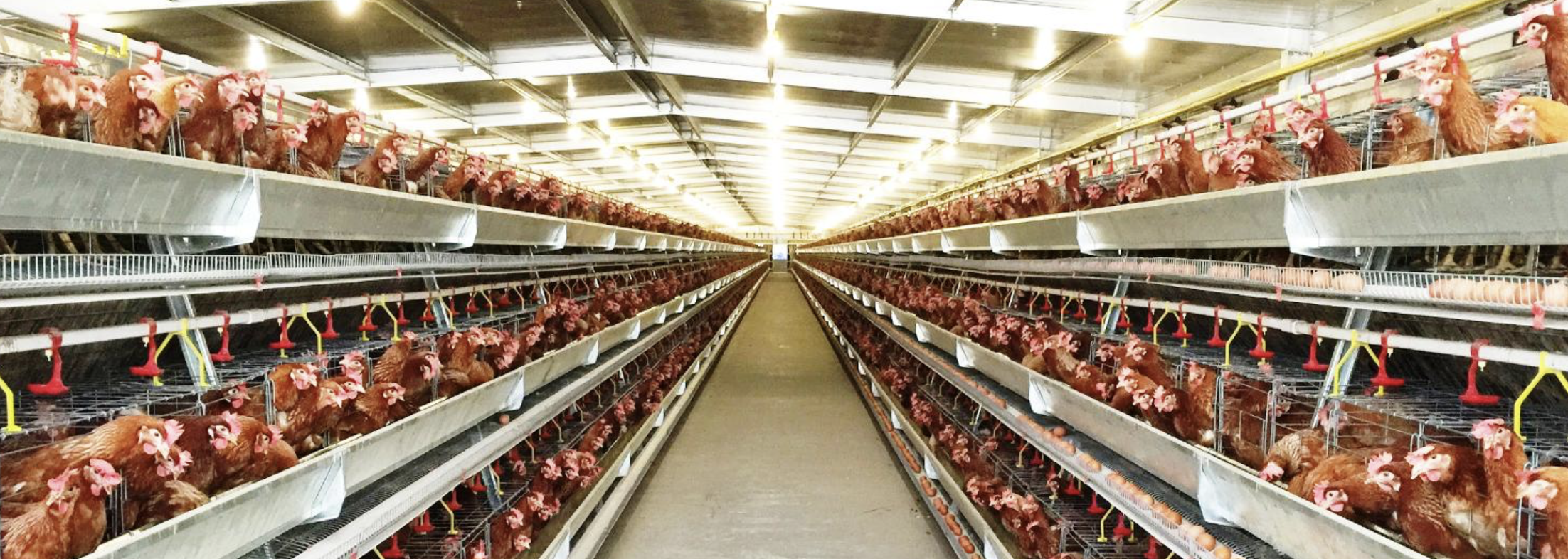
According to a report published by PoultryMed on 13 November 2026, Swedish veterinary authorities confirmed an outbreak at a large-scale commercial layer facility, marking the country's first recorded occurrence since October 2024.
The scale of the incident is particularly concerning: the affected farm houses 200,520 susceptible birds across five barns, all of which are subject to a stamping-out policy and official disposal.
For the International Network for Avian Health (INAH), this outbreak highlights the importance of coordinated disease surveillance, effective prevention strategies and international collaboration in protecting poultry populations.
A significant outbreak with substantial consequences
The outbreak was first identified on 10 November 2026, following the observation of clinical changes at the farm. One of the most prominent warning signs was a noticeable decline in egg production in two of the five barns.
Laboratory confirmation followed on 12 November 2026.
In accordance with European Union animal health legislation, including Regulation (EU) 2016/429 and Commission Delegated Regulation (EU) 2020/687, authorities initiated a full stamping-out response.
Consequently, all 200,520 birds on the affected premises are being culled, with official disposal procedures implemented to control the spread of infection.
The incident illustrates the potentially devastating consequences of Newcastle disease for commercial egg production, animal welfare, business continuity and the wider poultry supply chain.
Newcastle disease vaccination: A new chapter in Sweden's poultry health policy
This outbreak comes at a particularly important moment for Sweden's poultry sector.
In April 2026, the Swedish Board of Agriculture introduced mandatory Newcastle disease vaccination for establishments keeping more than 200 laying hens or breeding hens. This represented a significant change in national policy, as Sweden had previously maintained a non-vaccination approach, with an exception for pigeons.
The new vaccination requirements are being introduced in stages, with the first phase focusing on laying and breeding hens. Further requirements covering additional poultry categories are scheduled for March 2028.
The timing of the outbreak raises important questions about the implementation of vaccination programmes, flock immunity, surveillance and the continued need for comprehensive biosecurity.
Importantly, the available outbreak report does not establish the vaccination status of the affected flock. It would therefore be premature to draw conclusions about vaccine effectiveness or the role vaccination may have played in this particular incident.
Vaccination remains an important preventive tool, but it must be integrated into a broader disease-control strategy.
Why Newcastle disease remains a serious threat
Newcastle disease is a highly contagious viral infection affecting domestic poultry and numerous other bird species. Its clinical presentation can vary considerably depending on the virus strain, bird species, age and immune status.
Potential signs include:
A sudden decline in egg production.
Respiratory distress and coughing.
Neurological abnormalities, including tremors and paralysis.
Increased mortality.
Changes in egg quality, including abnormal shells.
General depression and reduced feed consumption.
The Swedish outbreak is particularly noteworthy because reduced egg production was among the prominent clinical indicators that prompted the epidemiological investigation.
This reinforces an important message for commercial layer operations: changes in production performance should never be viewed exclusively as management or nutritional problems. Unexplained production drops can be early indicators of infectious disease and should trigger prompt veterinary investigation.
Lessons for poultry producers and veterinary professionals
The Swedish outbreak offers several important lessons for poultry production systems worldwide.
1. Early detection is essential
Routine monitoring of egg production, feed and water consumption, mortality and flock behaviour is fundamental to identifying emerging health problems.
Producers and farm managers should establish clear thresholds for reporting unusual changes and ensure that veterinary investigations are initiated without delay.
2. Vaccination must be part of an integrated prevention programme
Appropriate Newcastle disease vaccination programmes can substantially strengthen flock protection. However, vaccination should not create a false sense of security.
Vaccine selection, administration, timing, coverage and monitoring of immune responses should be incorporated into a veterinary-led health programme.
3. Biosecurity remains the first line of defence
Strict biosecurity measures are essential to reduce the risk of introducing and spreading infectious pathogens.
These should include controlled access to poultry houses, effective cleaning and disinfection, appropriate personnel and equipment management, pest control and measures to minimise contact with potentially infected wild birds.
4. Surveillance and rapid reporting matter
Veterinary authorities, diagnostic laboratories and poultry producers must work together to identify infections quickly and implement appropriate control measures.
The Swedish case demonstrates the importance of combining clinical observations, laboratory confirmation and epidemiological investigation.
5. Preparedness must extend beyond individual farms
Large commercial facilities can house hundreds of thousands of birds. An outbreak can therefore have serious consequences not only for the affected producer but also for regional poultry production, supply chains and confidence in animal health management.
Contingency planning, clear reporting procedures and effective communication between industry stakeholders and veterinary authorities are essential.
The importance of international collaboration
Animal diseases do not respect national borders. The movement of live birds, hatching eggs, people, equipment and other materials creates opportunities for infectious pathogens to spread between farms and across countries.
For this reason, the Swedish outbreak should be viewed not simply as a national animal health incident, but as a reminder of the importance of international cooperation.
Sharing timely and reliable disease information enables veterinary professionals, researchers, poultry producers and policymakers to:
Identify emerging epidemiological trends.
Improve disease surveillance and early-warning systems.
Exchange knowledge on vaccination strategies and disease prevention.
Strengthen preparedness and emergency response capabilities.
Promote science-based approaches to sustainable poultry production.
The Swedish experience also demonstrates that changes in national vaccination policy must be accompanied by continued investment in veterinary surveillance, diagnostic capacity and farm-level biosecurity. The Swedish Board of Agriculture continues to emphasise the importance of biosecurity and vigilance despite the introduction of mandatory vaccination.
INAH perspective: Prevention, preparedness and partnership
At the International Network for Avian Health (INAH), we recognise that protecting global poultry health requires a coordinated approach that brings together science, veterinary expertise, industry experience and effective communication.
The Newcastle disease outbreak in Sweden highlights three priorities for the international avian health community:
Prevention: Strengthening vaccination strategies and biosecurity practices to reduce the risk of disease introduction and transmission.
Preparedness: Improving early detection, diagnostic capabilities and coordinated emergency response.
Partnership: Encouraging international knowledge exchange and collaboration between veterinary authorities, researchers and poultry industry stakeholders.
The scale of the Swedish incident, involving more than 200,000 birds, demonstrates the considerable economic, animal welfare and production consequences that can arise when Newcastle disease enters a commercial poultry operation.
It also reinforces the need to remain vigilant even as national disease prevention policies evolve.
Conclusion: Vigilance must remain a priority
The Newcastle disease outbreak in Sweden is a sobering reminder that progress in poultry vaccination and disease prevention does not eliminate the threat of infectious diseases.
The introduction of mandatory vaccination represents an important development in Sweden's approach to Newcastle disease control. Nevertheless, vaccination, biosecurity, surveillance and rapid veterinary intervention must operate together to provide effective protection.
For the global poultry sector, the message is clear: early detection, strong prevention programmes and international collaboration are essential to safeguarding poultry health and securing sustainable poultry production.
INAH encourages veterinary professionals, poultry producers, researchers and animal health organisations worldwide to remain vigilant, share knowledge and work collectively towards stronger avian health systems.
Protecting poultry health is a shared responsibility, and international cooperation is central to achieving it.
Sources and further reading