England Announces Nationwide Bird Flu Housing Order as Avian Influenza Threat Escalates
The UK Government has announced a nationwide mandatory housing order for poultry and captive birds across England, as concerns grow over the increasing spread of highly pathogenic avian influenza (HPAI).
· 5 min read
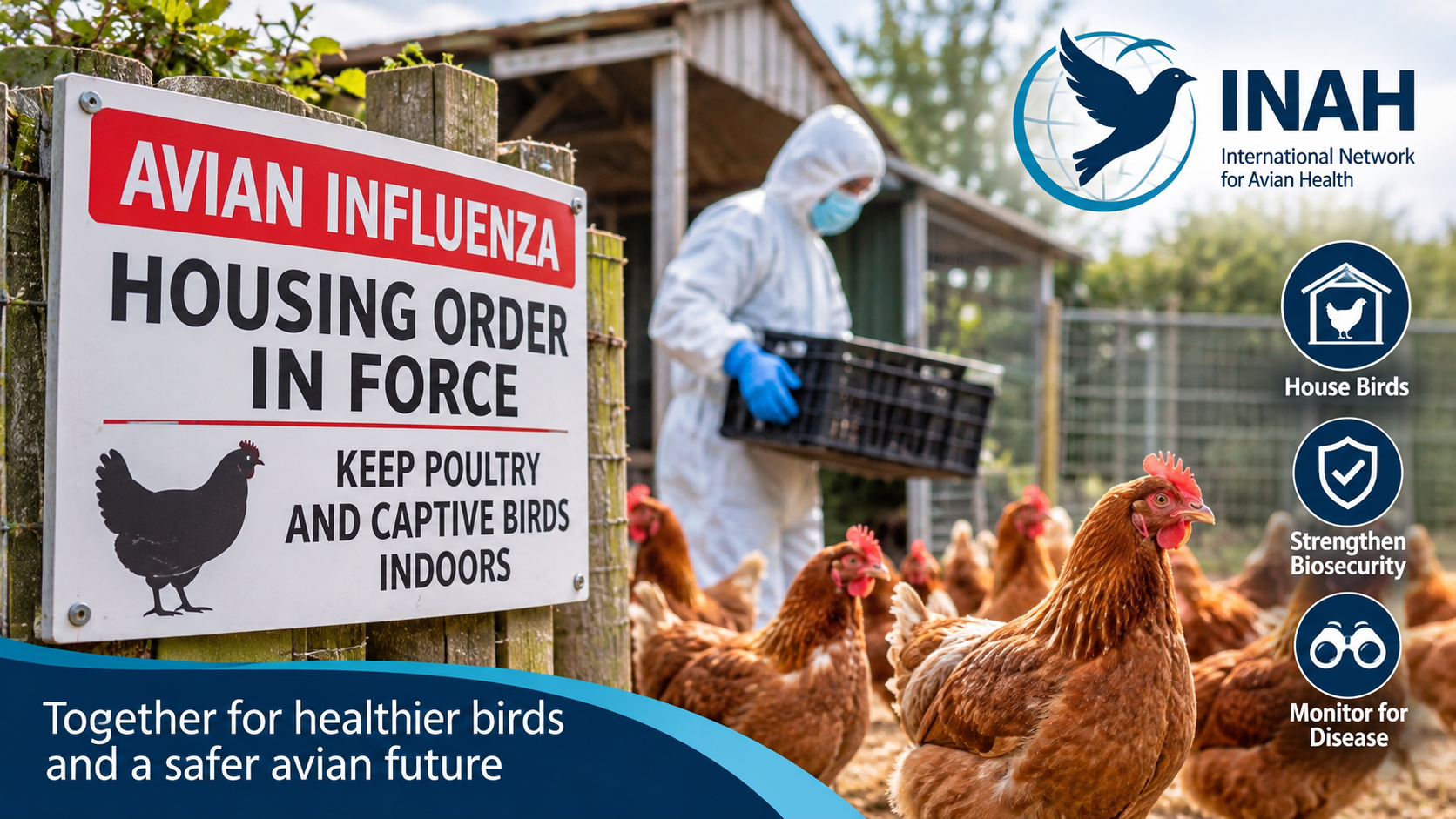
The measures, announced by UK Chief Veterinary Officer Christine Middlemiss on 11 November 2026, will come into effect at 00:01 on Friday 13 November 2026. The decision follows an increase in confirmed avian influenza outbreaks among kept birds, alongside growing detections in wild bird populations.
The new restrictions aim to reduce opportunities for contact between domestic poultry and potentially infected wild birds, helping to limit further transmission of the virus and protect animal health and welfare.
Who will be affected by the housing order?
Under the new requirements, all poultry and captive birds must be housed if they are kept by:
Bird keepers with 50 or more birds, regardless of whether the birds are kept commercially or privately.
Anyone keeping birds who sells or gives away eggs, poultry products or live birds, regardless of flock size.
Certain exemptions apply in specific circumstances, including some zoo birds.
The housing order forms part of a wider package of disease prevention measures introduced through an England-wide Avian Influenza Prevention Zone (AIPZ), which came into force at 09:00 on 11 November 2026.
Importantly, the AIPZ applies to all bird keepers in England, including commercial poultry producers, small backyard flocks and people keeping pet birds, irrespective of flock size.
Enhanced biosecurity: essential for every bird keeper
Alongside the housing requirements, the AIPZ introduces mandatory biosecurity measures designed to reduce the risk of avian influenza entering and spreading between bird populations.
All bird keepers are required to:
Cleanse and disinfect clothing, footwear, equipment and vehicles before and after contact with poultry and captive birds. Disposable protective clothing should be used where practical.
Minimise the movement of people, vehicles and equipment into and out of bird-keeping areas.
Maintain effective vermin control.
Regularly and thoroughly cleanse and disinfect bird housing.
Maintain fresh disinfectant at the appropriate concentration at entry and exit points.
Prevent wild birds from accessing poultry feed and water.
Restrict access to ponds and watercourses and ensure birds are kept in fenced or enclosed areas.
Maintain appropriate records and monitor changes in egg production.
These measures are particularly important during autumn and winter, when migratory wild birds can contribute to the introduction and spread of avian influenza viruses.
Effective biosecurity remains one of the most important tools available to poultry keepers in reducing disease transmission.
Recent outbreaks highlight the growing threat
The announcement follows several recent confirmations of HPAI H5N1 in commercial poultry premises across England.
Recent affected locations include:
Dersingham, Norfolk: H5N1 confirmed on 9 November 2026.
Garstang, Lancashire: H5N1 confirmed on 7 November 2026.
Pocklington, East Yorkshire: H5N1 confirmed on 7 November 2026.
Brigg, North Lincolnshire: H5N1 confirmed on 4 November 2026.
Protection zones and surveillance zones have been established around affected premises, with infected poultry subject to compulsory humane culling as part of disease control measures.
The UK has also recorded avian influenza cases in Scotland, including infections involving H5N1 and H5N5.
The increasing number of detections reinforces the importance of coordinated disease surveillance, rapid reporting and effective biosecurity across poultry production systems.
A coordinated approach to avian health
The UK Chief Veterinary Officer has urged all bird keepers to comply with the new housing requirements, maintain robust biosecurity and remain vigilant for signs of infection.
Suspected cases must be reported immediately to the Animal and Plant Health Agency (APHA).
Avian influenza is a notifiable disease, and early reporting is essential to enable veterinary authorities to investigate suspected infections and implement appropriate disease control measures.
For the poultry industry, the consequences of an outbreak can be significant, extending beyond the immediate loss of affected flocks to include movement restrictions, disruption to production and wider economic consequences.
The current situation also highlights the importance of collaboration between veterinary authorities, poultry producers, researchers and animal health professionals in strengthening preparedness and response capabilities.
What does this mean for consumers?
Despite the increasing disease threat, the UK Government has stated that it does not currently anticipate an overall impact on the availability of Christmas turkeys or other seasonal poultry products.
The risk to human health from avian influenza remains assessed as very low. The Food Standards Agency also confirms that properly cooked poultry meat and poultry products, including eggs, are safe to eat.
Nevertheless, continued monitoring by public health and veterinary authorities remains important as the outbreak situation develops.
INAH perspective: vigilance, prevention and preparedness
The introduction of nationwide housing measures in England is an important reminder of the continuing threat posed by highly pathogenic avian influenza to domestic and wild bird populations.
While housing orders and movement restrictions are essential components of disease control, their effectiveness depends on consistent implementation alongside strong biosecurity, surveillance and early detection.
The International Network for Avian Health (INAH) recognises the importance of international collaboration and knowledge exchange in addressing emerging and transboundary avian diseases.
As avian influenza continues to challenge poultry health and production systems worldwide, strengthening veterinary preparedness, improving disease monitoring and promoting responsible bird-keeping practices remain essential priorities.
All bird keepers are encouraged to familiarise themselves with the latest government requirements, review their biosecurity arrangements and remain alert to any signs of disease.
Protecting avian health requires a shared commitment to prevention, vigilance and collaboration.
Further information and guidance
Bird keepers in England can access the latest official information through:
GOV.UK – National Housing Order declared to protect birds from Avian Influenza
Animal and Plant Health Agency (APHA) – For reporting suspected avian influenza cases, contact 03000 200 301.