Bird Flu Alert: Northern Ireland Introduces Mandatory Housing Measures Following H5N1 Outbreak in County Tyrone
The confirmation of highly pathogenic avian influenza (HPAI) H5N1 at a commercial poultry farm near Coagh, County Tyrone, has prompted the introduction of new disease prevention measures across Northern Ireland. The announcement serves as an important reminder of the continuing threat posed by avian influenza and the need
· 5 min read
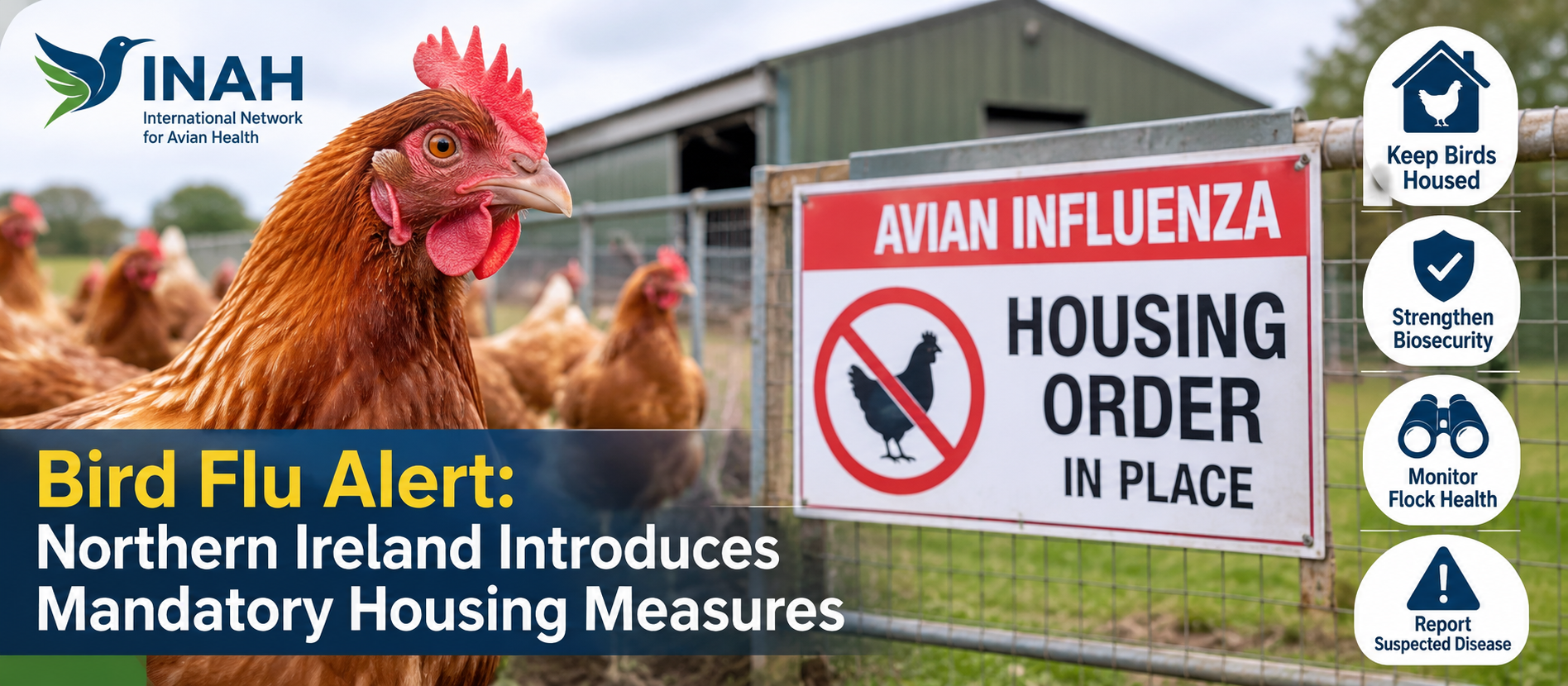
The measures follow laboratory confirmation of H5N1 on 16 November, after the suspected outbreak was initially reported on 14 November.
What do the new restrictions mean?
Under the new requirements, all poultry and other captive birds in Northern Ireland must be housed or otherwise kept separate from wild birds. The AIPZ also introduces enhanced biosecurity requirements for bird keepers, regardless of the size of their flock.
A ban on poultry gatherings will also take effect, covering a range of species, including chickens, turkeys, ducks, geese, pheasants, partridges, quail and swans.
Disease control measures have already been implemented at the affected premises, including the humane culling of poultry. A 3km Protection Zone and a 10km Surveillance Zone have also been established around the infected premises to reduce the risk of further transmission.
These restrictions underline the seriousness with which authorities are treating the outbreak and the importance of acting quickly to contain the disease.
Biosecurity: The first line of defence
Avian influenza remains a significant threat to poultry health, animal welfare, food production and the livelihoods of those working across the poultry industry.
While government restrictions play a vital role in controlling disease, effective biosecurity depends on the everyday actions of everyone who keeps birds, from large commercial poultry businesses to small backyard flocks.
INAH encourages all bird keepers to review and strengthen their biosecurity arrangements. Key precautions include:
Restrict access: Limit unnecessary access to poultry housing and outdoor bird areas. Keep visitors to a minimum and maintain appropriate visitor records.
Clean and disinfect: Regularly clean and disinfect footwear, clothing, equipment, vehicles and poultry housing.
Protect feed and water: Ensure feed and drinking water cannot be accessed or contaminated by wild birds.
Reduce contact with wild birds: Prevent wild birds from accessing poultry enclosures, feeding areas and water supplies.
Maintain hygiene: Use dedicated footwear and clothing when entering bird areas and follow appropriate handwashing procedures.
Control movements: Avoid unnecessary movement of birds, equipment and people between poultry premises.
Monitor flock health: Observe birds regularly and remain alert to changes in behaviour, egg production, feed consumption or mortality.
Biosecurity should be treated as an ongoing responsibility, rather than something introduced only when an outbreak occurs.
Why surveillance and early reporting matter
Early detection is essential to limiting the spread of avian influenza. Poultry keepers should remain alert to signs of disease and report any suspicion of avian influenza immediately to the Department of Agriculture, Environment and Rural Affairs (DAERA).
All poultry and other captive birds in Northern Ireland must also be registered with DAERA, regardless of flock size.
Members of the public are encouraged to report dead swans, geese, ducks or gulls, as well as five or more dead wild birds of other species found in the same location.
These reporting systems support disease surveillance and help veterinary authorities identify potential outbreaks and implement appropriate control measures as quickly as possible.
A wider UK challenge
The Northern Ireland announcement comes amid an increasingly challenging avian influenza situation across the UK.
England introduced mandatory poultry housing measures on 13 November, following confirmed outbreaks in Yorkshire and Lancashire. Scotland, England and Wales have also introduced Avian Influenza Prevention Zones, requiring bird keepers to implement enhanced biosecurity measures.
Although the specific restrictions differ between the four nations, the message is consistent: reducing contact between domestic poultry and wild birds, improving hygiene and strengthening surveillance are essential to protecting bird populations.
The evolving situation demonstrates why cross-sector collaboration, timely information sharing and coordinated disease prevention strategies are so important.
Is there a risk to human health and food safety?
Avian influenza primarily affects birds. According to the Public Health Agency, the risk to human health remains very low.
The Food Standards Agency has also confirmed that the disease presents a very low food safety risk to UK consumers. Properly cooked poultry, poultry products and eggs remain safe to eat.
Nevertheless, people should avoid handling sick or dead wild birds and should follow official guidance when reporting suspected cases.
INAH's message: Vigilance, prevention and collaboration
The outbreak in County Tyrone is a timely reminder that avian influenza remains a serious and evolving challenge for animal health and the poultry industry.
Mandatory housing measures and prevention zones are important tools, but their effectiveness depends on consistent implementation and cooperation from everyone involved in bird keeping.
The International Network for Avian Health encourages commercial poultry producers, small-scale keepers, veterinarians, animal health professionals and relevant stakeholders to remain informed, review their biosecurity procedures and report suspected disease without delay.
Protecting avian health requires a collective approach. By prioritising prevention, supporting effective surveillance and sharing knowledge across the sector, we can help reduce the risk of disease transmission and strengthen the resilience of poultry populations.
Stay informed. Strengthen biosecurity. Protect bird health.
For the latest information on restrictions, bird registration and disease control measures in Northern Ireland, visit the Department of Agriculture, Environment and Rural Affairs (DAERA) website: https://www.daera-ni.gov.uk/
Source: FarmingUK – Northern Ireland imposes bird flu housing order after Co Tyrone outbreak (17 November 2026).